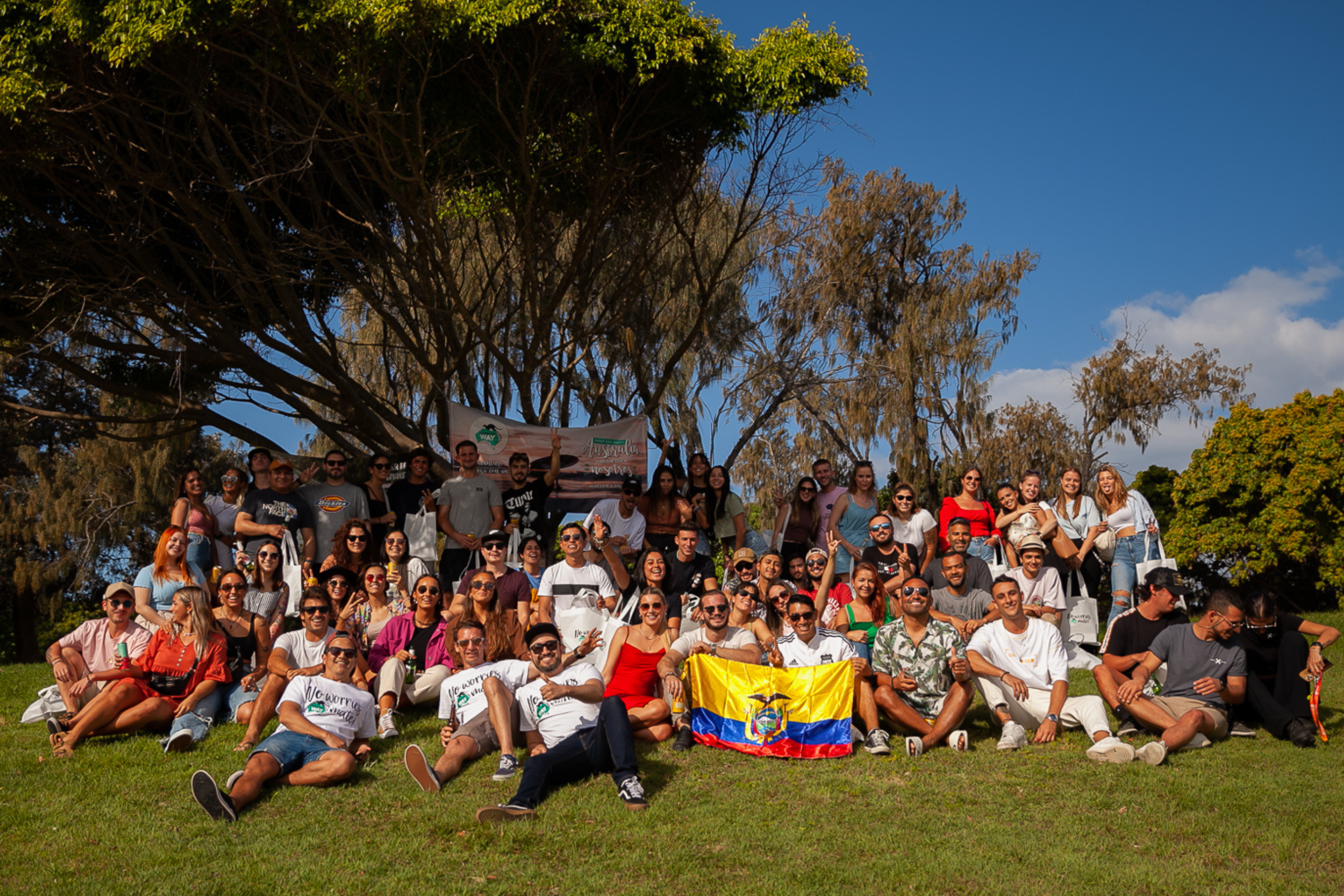
When you arrive in Australia, you’ll need to get to your accommodation, activate your mobile number and get ready to start school. If you travel with us, your welcomer will help you with those first practical steps and any questions you have once you’re there.
Before you fly, we’ll have a video call to go through your arrival. It’s a chance to ask how to get to your accommodation, when you’ll meet your welcomer or what to bring on your first day of class. Here’s how to organise your first week.
Before you fly: have what you’ll need on arrival ready
If you’re coming to study in Australia, keep your travel documents and the school’s instructions together. Download a copy to your phone so you can check them without an internet connection.
- Your passport, visa grant notice and CoE (Confirmation of Enrolment), the document confirming your enrolment.
- Your first accommodation booking, address and check-in instructions. Check whether you’ll be able to check in at your arrival time.
- Your health insurance policy and assistance phone number.
- The Australian Way team’s contact details.
Check that your phone is unlocked so you can use an Australian SIM, and bring a Type I plug adaptor. If you need to receive security codes from your bank back home, arrange a way to keep receiving them.
We recommend booking a hostel for around your first two weeks. From there, you can get to know the area and visit rooms. We can help you consider initial accommodation options before you travel.
Getting from the airport to your accommodation
At the airport, you’ll need to complete the required arrival declaration. If you’re carrying food, plant material or animal products, answer the questions and declare items that need to be checked. If you’re unsure, ask a biosecurity officer. Before you travel, you can check the official guidance on what you can bring into Australia.
You can get to your accommodation by public transport, taxi or an app such as Uber. DiDi also operates in a number of Australian cities. Compare prices and journey times, and check timetables if you arrive at night. If you book a ride through an app, follow its instructions to find the pickup area for your terminal.
Save your accommodation address and check-in instructions so they’re easy to find. Once you arrive, you can connect to the wifi and let your family know you’re there.
Your welcome: SIM card, bank account and transport
During your welcome, you’ll meet your welcomer, a member of our team who lives in your destination and will help you with your SIM, banking and transport. You can also ask them questions as you settle in.
Your Australian mobile number
Your welcomer will give you a local SIM card and help you get it working. Check how the data allowance, top-ups and plan renewals work. You’ll use that number to contact your school, enquire about rooms and receive calls when you start looking for work.
Going to the bank with your welcomer
We’ll go to the bank with you to open or activate your account and request your card. Before the visit, we’ll explain what you need to bring and whether you’ll need any additional documents.
At the branch, you can check how to log into the app, what the account’s conditions are and where your card will be sent. If you’re using the hostel’s address, ask first whether they can receive it in your name. Once your account is active, keep your BSB, which identifies the bank branch, and account number handy: your employer will need them to pay your wages.
Getting to school
The transport system varies from city to city. Your welcomer will explain how to get around and help you with the appropriate transport card. Use the opportunity to check the route from your accommodation to school and how long it takes.
Check the route and journey time before your first day of class. If you want to know whether you qualify for a student discount, ask your school: eligibility depends on the state and the type of course.
Your first day of class: timetable, level and classmates
Read the school’s welcome email to check what time to arrive and what to bring. On an English course, you may take an initial placement test to find the right class for your level.
We’ll support you as you start school. During the school’s welcome, you’ll learn about your timetable, who to contact and the activities available. In class, you’ll also meet students who are just beginning their Australian experience.
During your first week: TFN and study requirements
A TFN if you plan to work
A Tax File Number, or TFN, is your Australian tax identification number. If your visa gives you the right to work, you can apply once you’re in the country. We’ll help you with the application and any questions you have.
Applying is free, and the ATO says you should receive your number within 28 days of submitting a complete application. Use a postal address where you can receive the letter. If you already have a TFN from a previous stay, keep using that number.
You’ll find the application process on the ATO’s official website. To prepare for your job search, you can also read our guide to what you need to work in Australia, including the permits and certificates different jobs may require.
A USI if your course requires one
If you’re taking vocational education and training, such as a VET course, or higher education, you’ll need a Unique Student Identifier, known as a USI. It’s an education identifier and is different from a TFN.
As an international student, you can create one after entering Australia, using your passport and visa. Your school will tell you whether you need one for your studies. You’ll find the instructions on the official USI website.
Finding a room and planning your spending
With your initial accommodation booked, you can start viewing rooms during your first week. Check the distance to class, which bills are included and who you’d share the home with. Our guide to finding a room in Australia explains what to ask before you decide.
During those first days, keep a simple record of what you spend on food, transport and your phone. Remember that temporary accommodation may cost a different amount from the room you’ll move into later. Keep setup costs, such as your rental bond, separate from your regular weekly expenses.
If you want to work, set aside money for your arrival and the time you’ll spend looking for a job. You can adjust your budget once you have a job and know your shifts and income.
Meeting people and getting support throughout your stay
Ask your welcomer to help you join the community WhatsApp group for your city. You can meet other students there and find out about plans and events. Join school activities too: you’ll meet people from different countries to practise English with.
School activities and community events are a good way to explore the city and make friends while you settle in.
And remember, we’re still here after your welcome. If you have questions about school, life in Australia or the next steps in your studies, you can contact the team throughout your stay.
Frequently asked questions
Do I need to get everything done on the first day?
No. You can organise things with your welcomer over the first few days, taking into account when your classes start and the bank’s and school’s opening hours.
How can I get from the airport to my accommodation?
You can use public transport, a taxi or apps such as Uber and, depending on the city, DiDi. Check your route and timetables before you fly. Your welcome with your welcomer is arranged separately and doesn’t include airport pickup.
Do I have to open a bank account on my own?
Your welcomer will go to the bank with you and help you open or activate your account. Before you go, we’ll explain which documents you need to prepare.
Should I wait until I have a job to apply for a TFN?
No. You can apply for a TFN as soon as you arrive in Australia if your visa allows you to work, even if you don’t have a job yet. Your welcomer will help you with the application.
What happens if I move after starting classes?
Tell your school your new address and update it with any services where you use it. Check where any letters or cards you’re still waiting for will be sent too.
On our video call before you travel, we’ll go through your accommodation, how to get there from the airport and your first practical steps. Your welcomer will then help you once you arrive, and you can continue to count on the team throughout your stay.