Compare living costs, climate and everyday life in all three cities before you decide.
Choosing a city is one of the first decisions you’ll make when planning to study in Australia. It’s understandable to be unsure: Sydney, Melbourne and Brisbane all have schools, courses and student communities, but living in each can feel quite different.
Can you picture yourself spending weekends at the beach? Would you rather have cafés, gigs and cultural events on your doorstep? Or are you looking for warm weather and a more relaxed routine?
There’s the practical side too: what a room costs, where your school is and how long your commute will take. Here’s how the three cities compare, so you can work out which suits you best.
Sydney, Melbourne and Brisbane at a glance
|
Sydney |
Melbourne |
Brisbane |
|
|---|---|---|---|
|
LIFESTYLE |
A big, lively city with beaches close by |
A cultural city with cafés, events and varied neighbourhoods |
A warm city with plenty to do outdoors |
|
Weather |
Temperate, with warm summers and mild winters |
More changeable, with cooler winters |
Warm for much of the year, with humid summers |
|
Accommodation |
Usually the most expensive of the three |
Varied options depending on the neighbourhood |
Compare neighbourhoods and the distance to your school carefully |
|
Could suit you if… |
You want big-city life with time at the beach |
You enjoy culture, music and neighbourhood life |
You prefer warm weather and spending time outdoors |
All three are good places to study. Your choice will depend on the course you find, your budget and how you want to live.
Studying in Sydney: city life and the beach
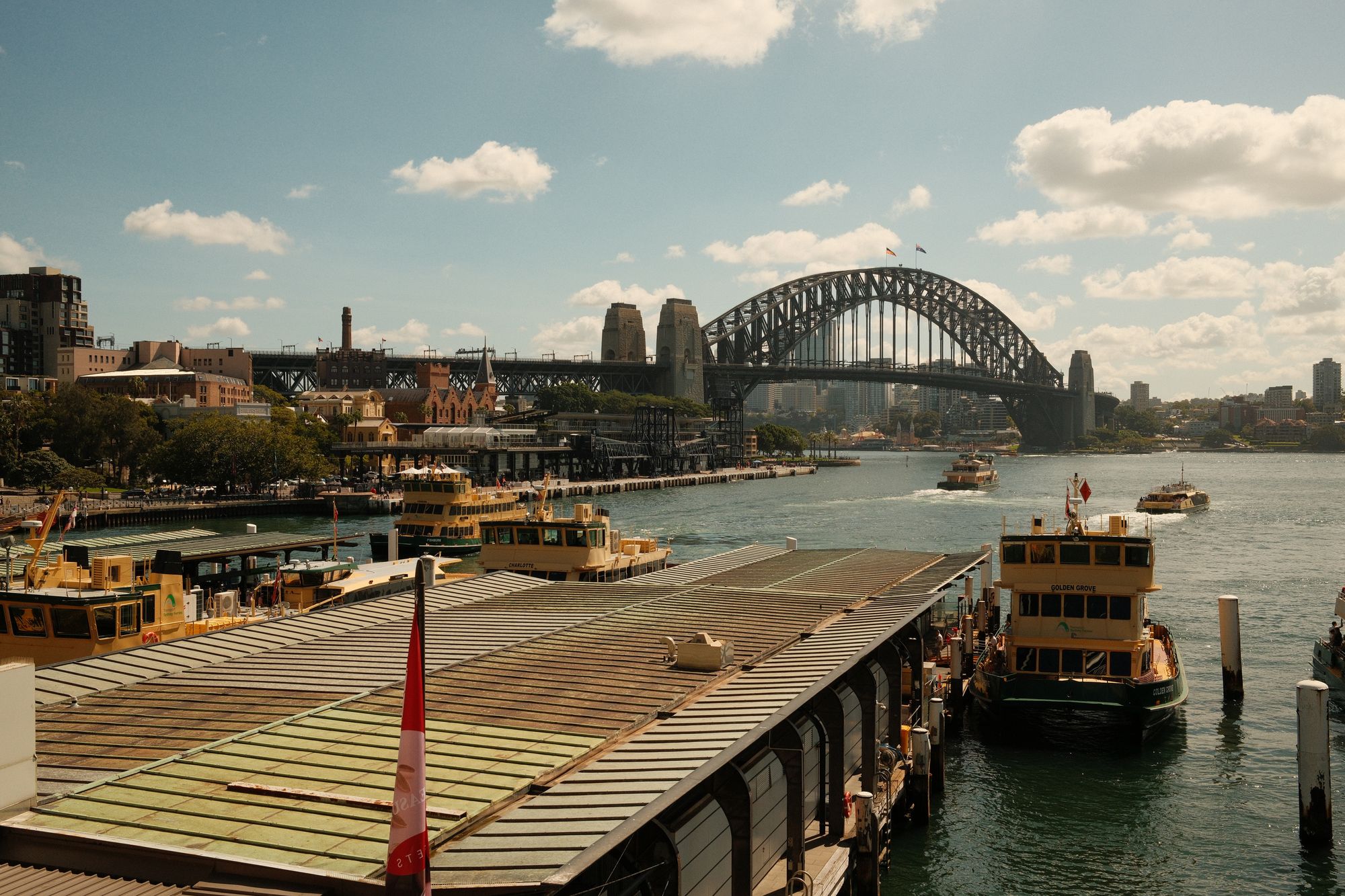
Sydney is what many people picture when they think of Australia: the Opera House, Harbour Bridge and beaches such as Bondi or Manly. Living there also means discovering neighbourhoods, parks, markets and parts of the city you might never have seen before.
It’s a large, lively city with English schools, vocational colleges and universities. If you like having plenty to do and meeting people from different backgrounds, you’ll probably find an atmosphere you enjoy.
The beaches are a big draw. If you live or study nearby, you can finish class and spend the afternoon walking by the sea, swimming or catching up with friends.
What to keep in mind
Accommodation tends to cost more, especially near the city centre or well-known beaches. Before choosing where to live, look at both the rent and how long it would take to get to school.
A cheaper room further away could mean spending more time and money on transport. Comparing a few neighbourhoods can help you decide what works best.
Sydney could suit you if you want a big city, love the beach and have room in your budget for higher rent.

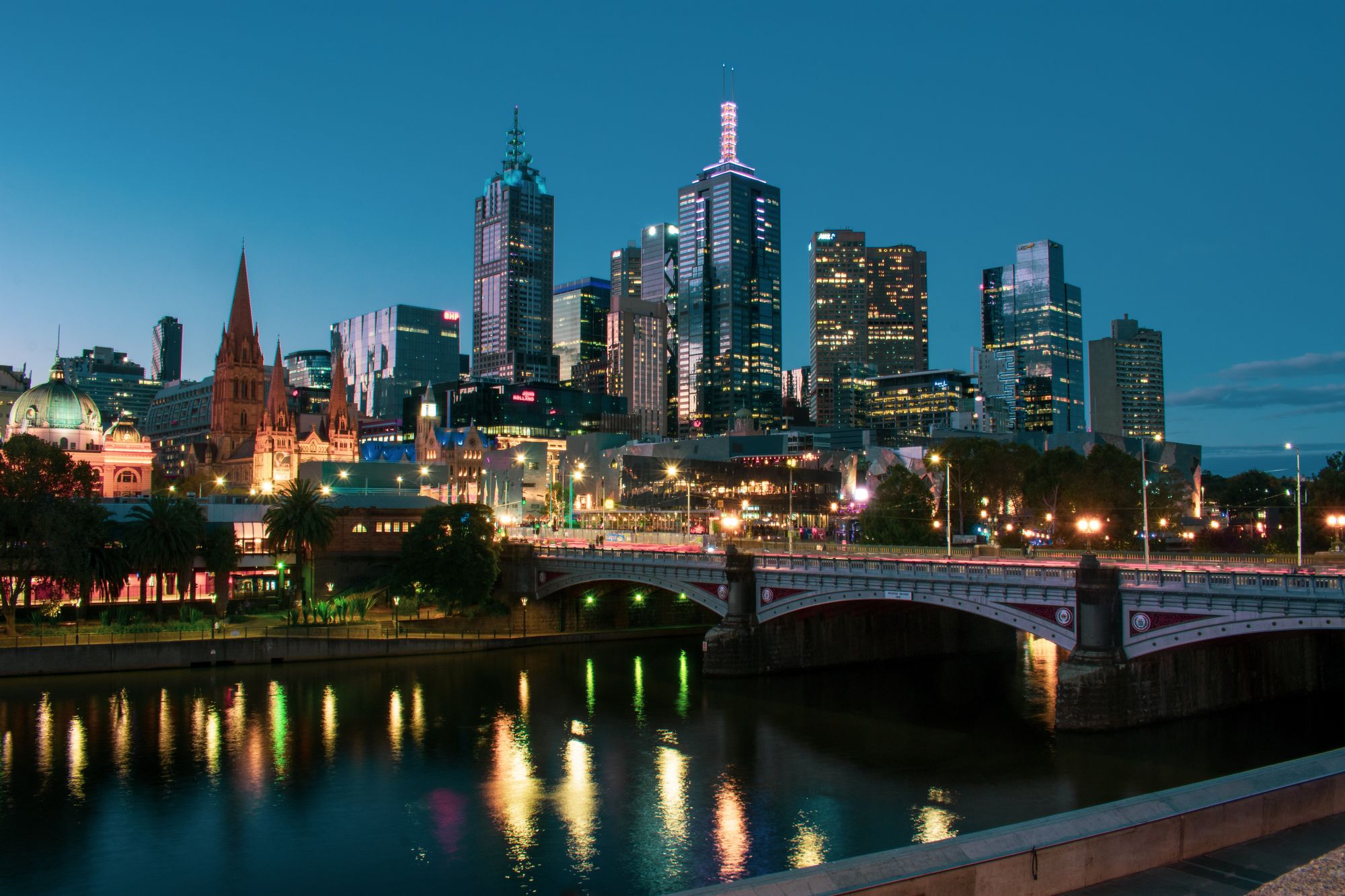
Studying in Melbourne: culture, cafés and neighbourhood life
Melbourne could be a good fit if you enjoy cities where there’s always something happening. It’s known for its cafés, markets, street art, live music, festivals and sporting events.
The atmosphere can change considerably from one neighbourhood to the next. Some have streets full of restaurants and shops; others are more residential. You can look for an area that fits the way you want to live and where you’ll be studying.
Like Sydney, Melbourne has English schools, vocational courses and universities. It also has students from many countries, with opportunities to meet people in class and beyond.
What to keep in mind
Melbourne’s weather is more changeable. You might leave home in sunshine and need a jacket a few hours later, especially in the cooler months. Keep that in mind if warm weather and beach days are essential to your plans.
Rents vary widely by neighbourhood and distance from the city centre. Melbourne isn’t necessarily cheap, but sharing a home and looking across several areas can help you find something within your budget.
Melbourne could suit you if you enjoy culture, cafés and city life, and don’t mind changeable weather.
Studying in Brisbane: warm weather and life outdoors
Brisbane is a good option if you prefer warm weather and enjoy being outside. The river runs through the city, with parks, walking routes and places to meet friends along the way.
It has a different feel from Sydney and Melbourne, although it’s also a big city with schools, universities and international students.
Its location in Queensland is another advantage. You can plan trips from Brisbane to places such as the Gold Coast, Byron Bay, Fraser Island or the Sunshine Coast, allowing for the travel time and cost.
What to keep in mind
Summers can be hot and humid. You may love it if you’re comfortable in the heat; if you prefer cooler temperatures, another city’s climate might suit you better.
Brisbane is sometimes presented as a cheaper option, but don’t take that for granted. Rent depends on the neighbourhood, room type and what’s available. Compare actual listings for your travel dates before deciding.
Brisbane could suit you if you want warm weather, enjoy outdoor activities and would like to explore Queensland during your stay.
How much does a room cost in each city?
Accommodation will probably be one of your largest expenses. Sharing a flat or house can help you save money and meet people, although prices vary by area and room type.
As a starting point, Room Buddy published the following median prices for rooms advertised on its platform in October 2026:
|
City |
Advertised median price |
|---|---|
|
Sydney |
From 350 AUD per week |
|
Melbourne |
From 300 AUD per week |
|
Brisbane |
From 300 AUD per week |
These figures describe listings on one platform, rather than every room available in each city. You may find cheaper or more expensive rooms, and bills aren’t included in every listing.
Source: Room Buddy room rental report, October 2026
To put that into a monthly budget, a room at 300 AUD per week costs approximately 1,300 AUD per month. You’ll also need money for food, transport, your phone, social activities and any bills excluded from the rent.
When comparing rooms, ask:
- Whether electricity, water and internet are included.
- How much bond you’ll need to pay.
- How many people you’ll share the home with.
- How long it takes to get to school.
- What the terms are if you want to move out.
You could also book temporary accommodation for your first few weeks, then take more time to look once you know the city.
Which city is easiest for finding work?
You can look for work while studying in all three cities, provided your visa allows it. Finding a job will depend on factors such as your English level, experience, availability and the type of work you’re looking for.
For example, some students look for jobs in cafés, restaurants, shops or cleaning. If you have experience in a particular field, you can explore opportunities related to that background too.
We recommend planning for a job search that may take time. Choose your city without assuming you’ll find work as soon as you arrive, and bring enough money for your initial expenses without relying on an immediate wage.
Your visa sets the conditions for working. Check them before you start a job.
Where will I find the best schools?
All three cities have options for English and other studies. Alongside the number of schools, think about which course and provider are the best fit for you.
For example, you might find the vocational course you want in two cities, but with different fees, start dates or timetables. Or you might like one English school’s location and another’s approach to classes.
Before deciding, compare:
- The course: what you’ll study, how long it takes and its entry requirements.
- The school: its location, how classes work and the services it offers.
- The timetable: how classes are scheduled and whether they fit your plans.
- The price: the full programme fee and how payments work.
- The location: where you could live and how long your commute would take.
A school with lower fees might be in an area with higher rents, or the other way round. That’s why it helps to look at the full budget.
Which city fits your priorities?
If you’re still unsure, think about what would make everyday life enjoyable for you:
- If you dream of living near the beach and want a big city too, look at Sydney and compare rents in the neighbourhoods you like.
- If you enjoy music, cafés and cultural events, Melbourne could be a good option.
- If you prefer warm weather and outdoor activities, put Brisbane on your shortlist.
- If your budget is tight, compare rooms, transport and course fees in all three cities. Look beyond tuition fees alone.
- If you already have a course in mind, start by checking which cities offer it and which school suits you best.
Photos and other people’s experiences can help, but think about your own everyday life too. Picture a normal week: where you’ll study, how much time you want to spend travelling and what you’d like to do after class.
Frequently asked questions
Which city is cheapest for studying?
It depends on your course, neighbourhood and the accommodation you find. Sydney usually has higher rents, but that doesn’t mean every option in Melbourne or Brisbane is affordable.
Compare the full cost for your situation: your course, room, transport and day-to-day expenses.
Can I study English in all three cities?
Yes. Sydney, Melbourne and Brisbane all have English schools. Courses, timetables, start dates and fees vary by provider.
Do I need to speak English before I travel?
It depends on what you want to study. English courses cater for different levels. If you want to enter a vocational or university course directly, the school or institution will tell you the English level you need.
Can I move to another city later?
You can consider it, but first check how the move would affect your course, enrolment and visa conditions. If it means changing schools, check the relevant conditions before deciding.
Choose a city that suits you
Sydney, Melbourne and Brisbane offer different experiences. If you know what you want to study but haven’t decided on a city, tell us how you’d like to live and how long you’d like to stay.
At Australian Way, we’ll help you compare courses, schools and budgets so you can make an informed choice.