If you’re getting ready to travel from Argentina, you’ve probably already looked at courses, flights and cities. But picturing yourself living there brings up other questions: where will you buy groceries, how will you open a bank account, and who will you spend time with after class?
The first few days can be hard. You’re tired from the journey, you need to speak another language and you don’t know your way around yet. Things gradually fall into place: you start classes, find a room and meet people you enjoy spending time with. Here’s what you can prepare before you go and what you’ll work out once you arrive.
First, somewhere to stay while you settle in
We recommend booking a hostel for your first two weeks and looking for a room once you’re there. That way, you can visit the properties, meet the people who live there and check how long it takes to get to your school.
When comparing listings, check whether the price is per person or per room, whether you pay weekly, and whether water, electricity and internet are included. Sharing a home doesn’t mean sharing a bedroom: you can have your own room and share the kitchen and bathroom.
Our guide to finding a room in Australia explains where to look and what to check before you pay.
Buying groceries: Coles, Woolworths and Aldi
These are three names worth knowing when you first arrive:
- Coles and Woolworths: good options if you want a choice of brands and to do all your shopping in one place. Both have own-brand products and specials worth comparing.
- Aldi: often a cheaper option for everyday groceries. It can help you save on basics such as pasta, milk and cleaning products.
To compare value, look at the price per kilogram, litre or 100 grams shown beside the pack price. A bigger pack or a special offer isn’t always a good deal if you end up throwing some of it away.
It’s also worth comparing local greengrocers and markets. If you’re looking for yerba mate or a particular Argentine product, ask the community group about nearby shops. What’s available will depend on the city.
When you arrive from Argentina, it’s natural to convert each purchase into pesos or US dollars to keep track of your spending. To plan your monthly budget, keep a record in Australian dollars too. Our guide to the cost of living in Australia helps you break it down into rent, groceries, transport and leisure.
Plugs: will you need an adaptor?
Australia uses Type I plugs, with two flat angled pins and a third earth pin, a design also used in Argentina. If your charger has that plug, you’ll usually be able to use it without an adaptor. If it has two round pins, bring an adaptor that fits Australian sockets. For your phone and laptop, check the charger’s label: if it says ‘100–240 V, 50/60 Hz’, it supports Australian mains voltage and you won’t need a transformer. An adaptor only changes the connection, not the voltage. You can buy one before you travel so you have it ready on your first night.
Opening a bank account: choosing a bank and getting ready
Banks you’ll come across include Commonwealth Bank, usually called CommBank, NAB, ANZ and Westpac. We recommend considering CommBank for your first account, and we’ll help you open it.
CommBank offers accounts with no monthly account fee if you meet its conditions. We’ll help you check which option suits you and what’s included.
Before you start, we’ll explain what you need to prepare and whether you’ll need any additional documents. Once you arrive, your welcomer will go to the bank with you to complete the process and help with any questions.
We’ll also help with your SIM card and the first steps of settling in.
Can you drive with your Argentine licence?
That depends on the state you live in and your circumstances. Before travelling, check that your Argentine licence is valid and whether you’ll need a recognised English translation or an International Driving Permit. Always carry your original licence: an International Driving Permit doesn’t replace it.
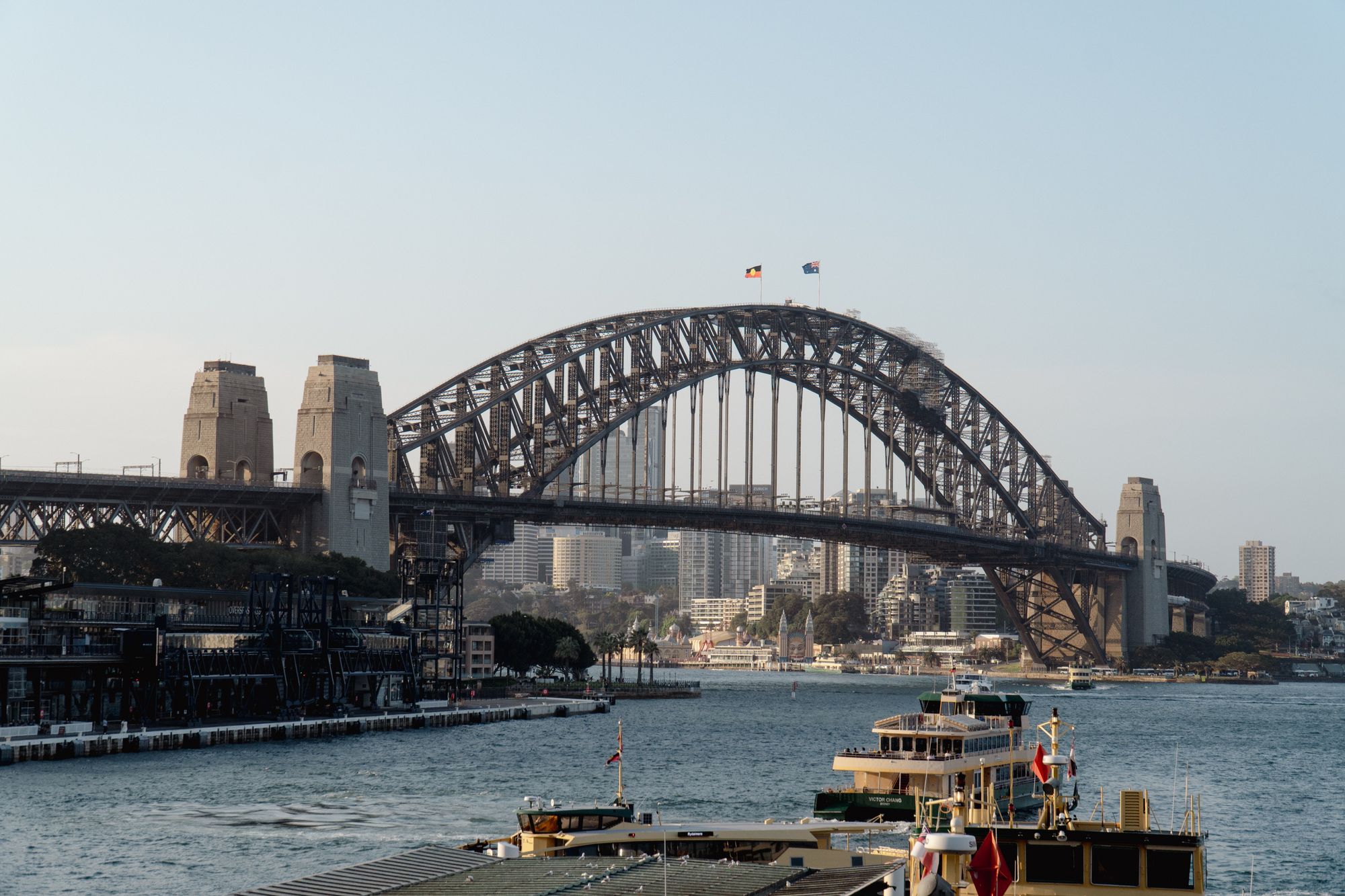
For example, in New South Wales, where Sydney is located, temporary overseas visitors can drive on their overseas licence for up to six months, provided they meet the state’s conditions. If the licence is in Spanish, they must also carry an English translation or an International Driving Permit. To keep driving after the applicable period, you’ll need a local licence.
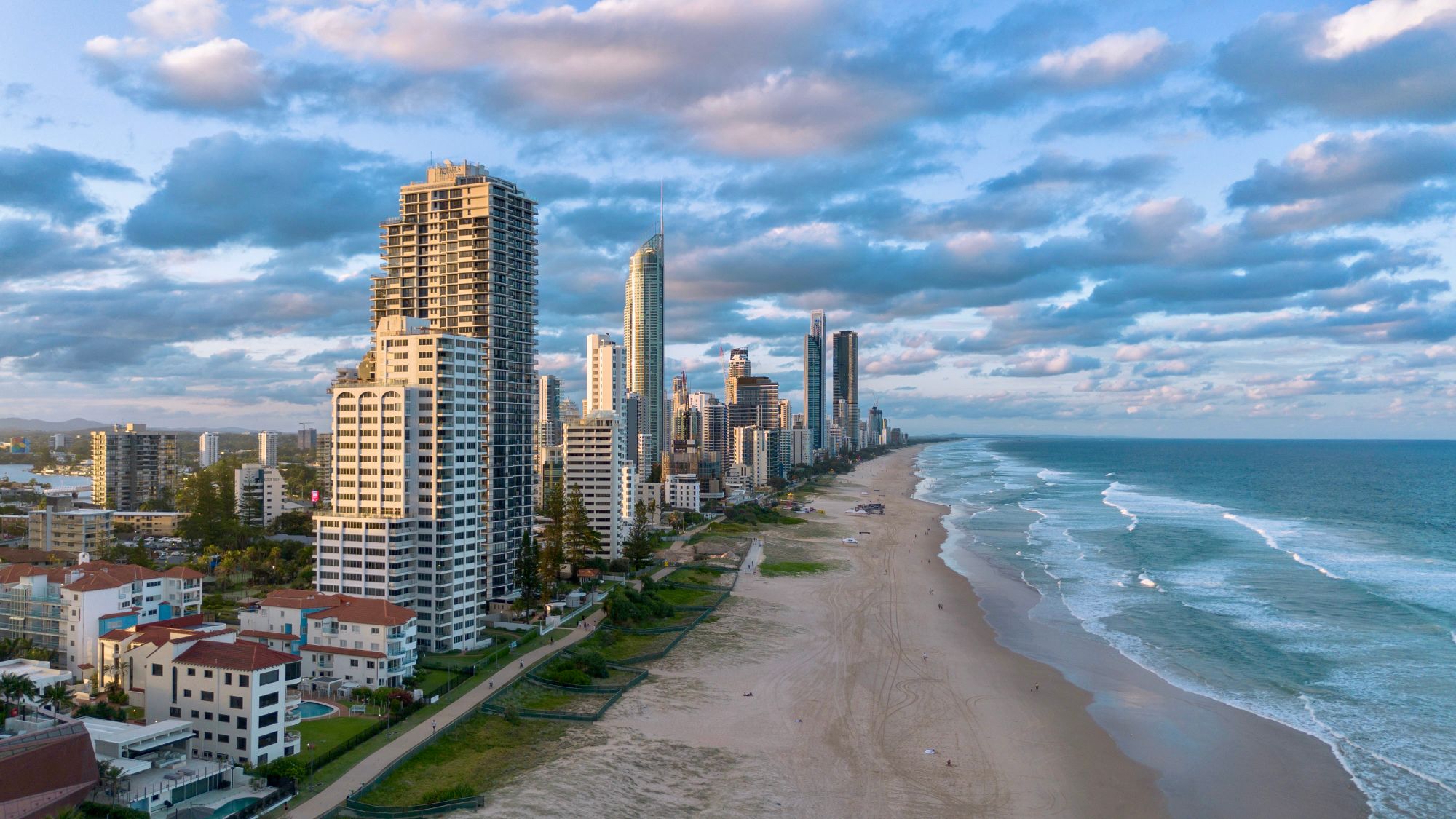
Queensland, home to Brisbane and the Gold Coast, has different rules: its transport authority says you should carry a recognised translation if your licence isn’t in English. Check the rules for your state before driving, and check the rental company’s conditions if you plan to hire a car.
Meeting people: classes, WhatsApp, activities and work
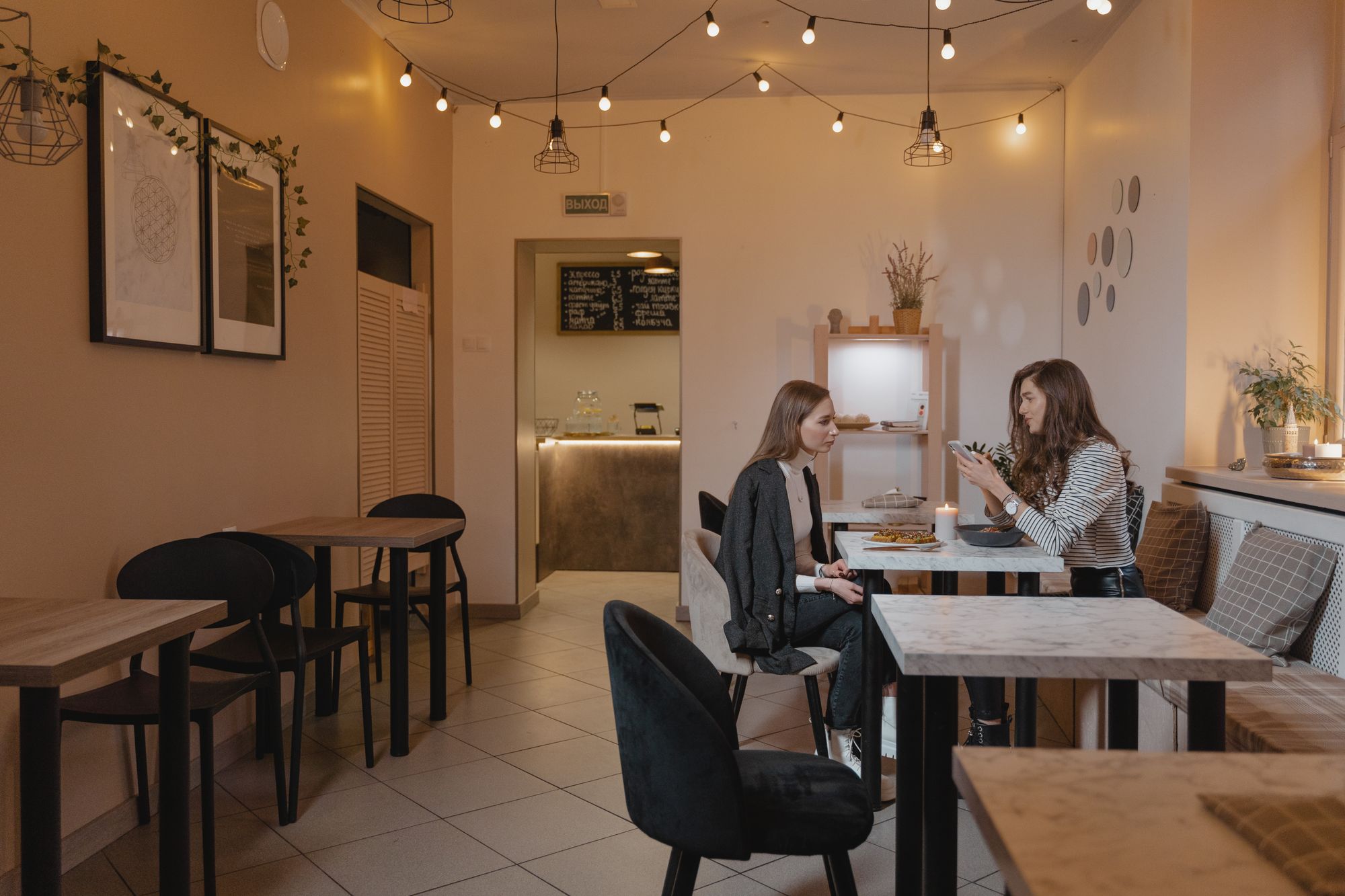
In class, you’ll meet people who have also just arrived and are learning English. You could start by asking if anyone wants to grab lunch afterwards or by joining an activity organised by the school.
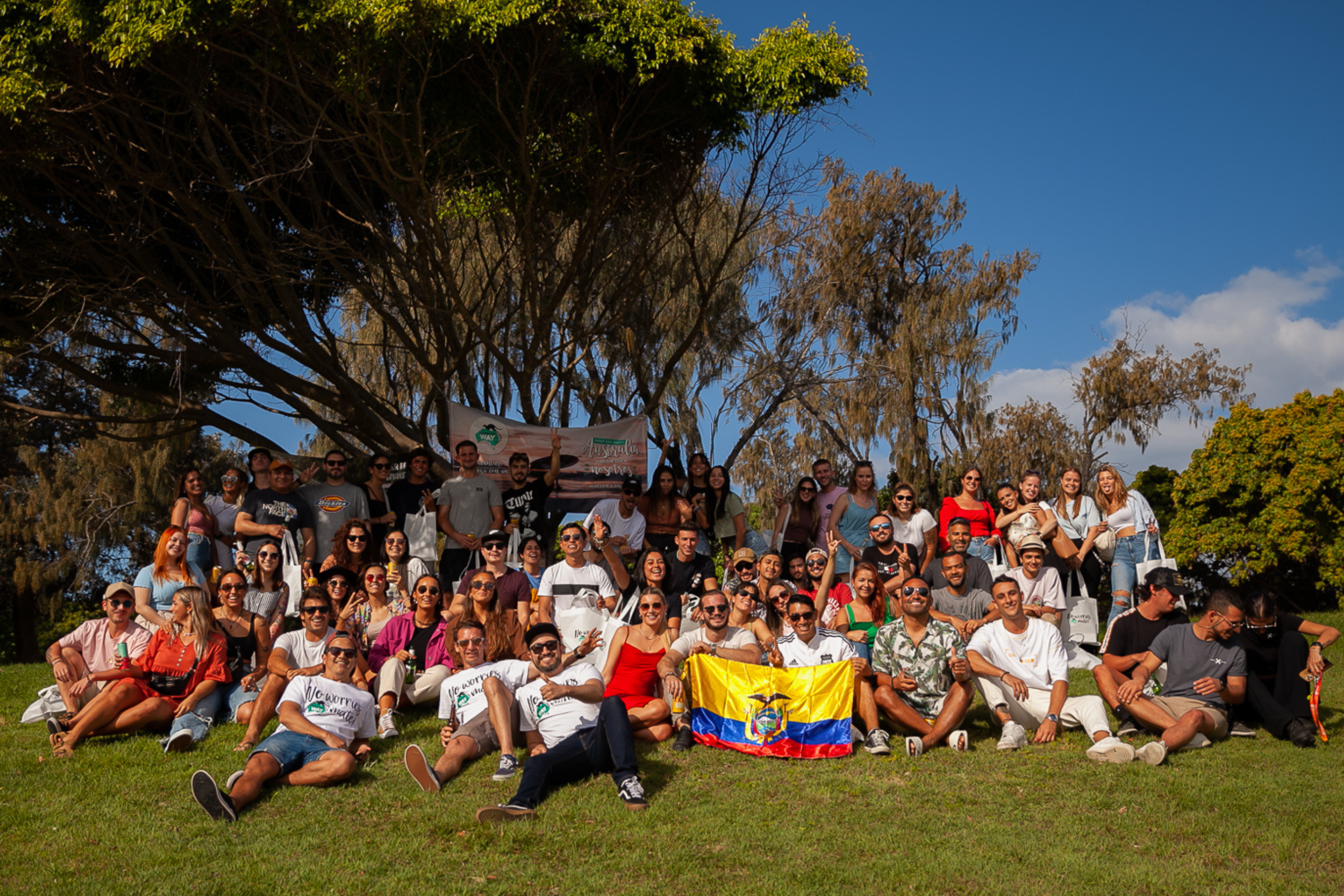
We also have an Australian Way community WhatsApp group where you can connect with other students and find out about plans. Ask your welcomer how to join the group for your destination. If you find a job, your colleagues are another way to meet people outside school.
Spending time with Argentines and other Spanish speakers can help you feel less alone, especially at first. But if you want to improve your English, we recommend getting to know people from other countries too. Joining an activity with classmates of different nationalities gives you more chances to speak English outside class.
Practising English in everyday life
Ordering food, asking for directions and chatting with your housemates are all chances to practise. At first, the accent or the speed people speak may make it harder to understand than you expected. You can ask someone to repeat something with ‘Could you repeat that, please?’ or to slow down with ‘Could you speak a little more slowly?’.
If you’re thinking about studying in Australia, tell us your current English level and what you’d like to get out of the trip. We can use that information to help you choose a course. Once you’re there, try to combine classes with situations where you can use what you’re learning.
Calling Argentina without waking anyone up
Australia is ahead of Argentina. As a guide, the time difference is around 11 to 14 hours, depending on the city and the time of year.
As a guide:
- Perth: around 11 hours ahead of Argentina.
- Brisbane and the Gold Coast: around 13 hours ahead.
- Sydney and Melbourne: around 13 or 14 hours ahead, depending on Australian daylight saving time.
Morning in Australia can be a good time to call Argentina in the afternoon or evening of the previous day. If you have class in the morning, try the weekend. Add your family’s city to your phone’s world clock and check the time before calling, especially around daylight saving changes.
We’re here throughout your stay
Our support doesn’t end when you land. Alongside your welcome and the community group, we’re available throughout your stay to help with questions about school, life in Australia or the next steps in your studies.
At first, finding a room, keeping up with a conversation or spending a Sunday far from home may feel difficult. As you work things out and build a routine with your own classes, friends and plans, it becomes easier to enjoy the experience you came for. Everyone settles in at their own pace. If something’s worrying you, you can talk to the team.
Frequently asked questions
Do I need to speak English before travelling from Argentina?
There are English courses for different levels, including beginners. Vocational and university courses require a minimum level of English, which varies by course. We’ll go through the requirements with you for the studies you’re interested in.
Which supermarket should I try first?
You can compare Coles, Woolworths and Aldi if you have one nearby. Look at the prices per kilogram or litre, the specials and how far they are from home. Aldi is often cheaper than the others.
Can I open a bank account with no monthly account fee?
Yes. CommBank offers accounts with no monthly account fee if you meet its conditions. Your welcomer will go to the bank with you and help you open your account.
Do I need to get an Australian driving licence as soon as I arrive?
Not necessarily. Check the rules for the state where you’ll be driving, that your licence is valid, and which translation or International Driving Permit you need. The deadline for getting a local licence depends on the location and your circumstances.
How can I meet people and keep practising English?
Make the most of your classes, school activities, Australian Way’s WhatsApp group and, if you work, time with your colleagues. Spend time with both Spanish speakers and people from other countries so you have opportunities to practise English.
Can I still count on Australian Way after I’ve settled in?
Yes. We’re here throughout your stay. You can contact the team with questions and ask for advice after the first few weeks too.
If you’re preparing to travel from Argentina, we can help you choose a course and organise your arrival. Tell us what you’d like to study, how much time you have and what questions are still on your mind.